Choosing the right coffee brewing method can dramatically transform your morning ritual. Whether you rely on a trusty drip coffee maker or you’re curious about premium systems like Breville, understanding the real differences — in flavor, convenience, and value — is essential before investing in new equipment.
This guide draws on hands-on brewing experience and widely recognized industry knowledge to give you an honest, thorough comparison of both approaches. Our goal is simple: help you make a confident, informed decision tailored to how you actually drink coffee.
How Drip Coffee Makers Work — and Who They’re Right For
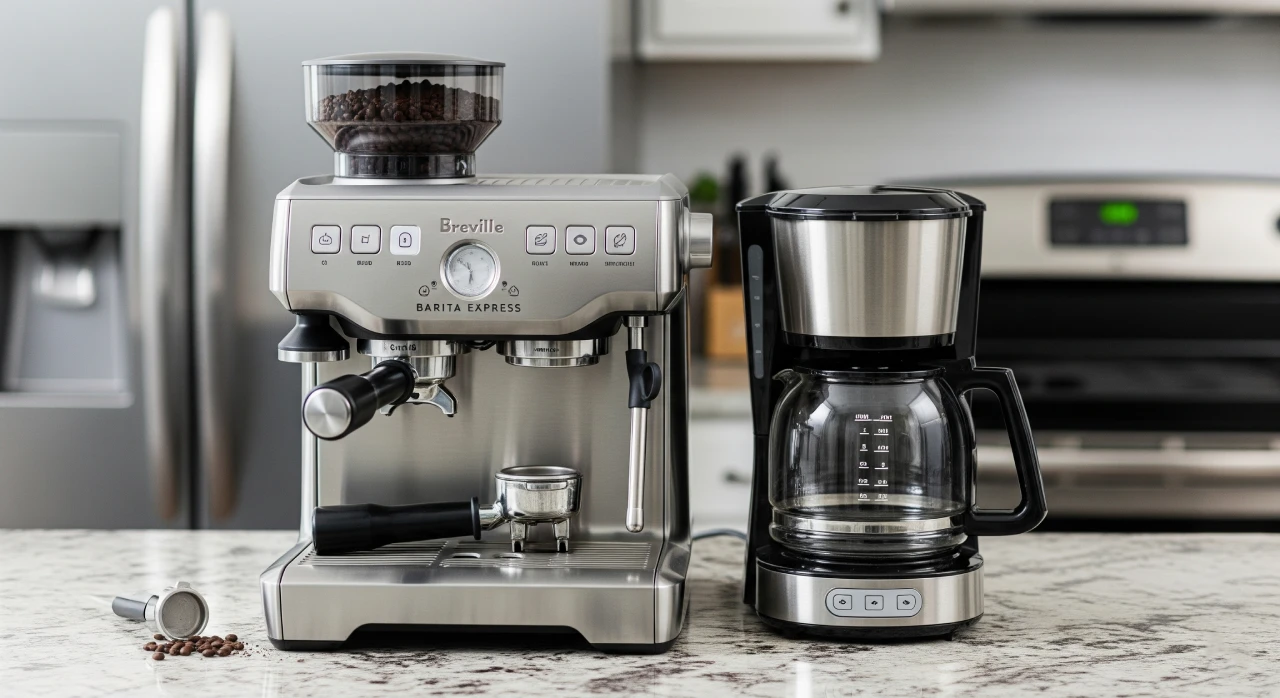
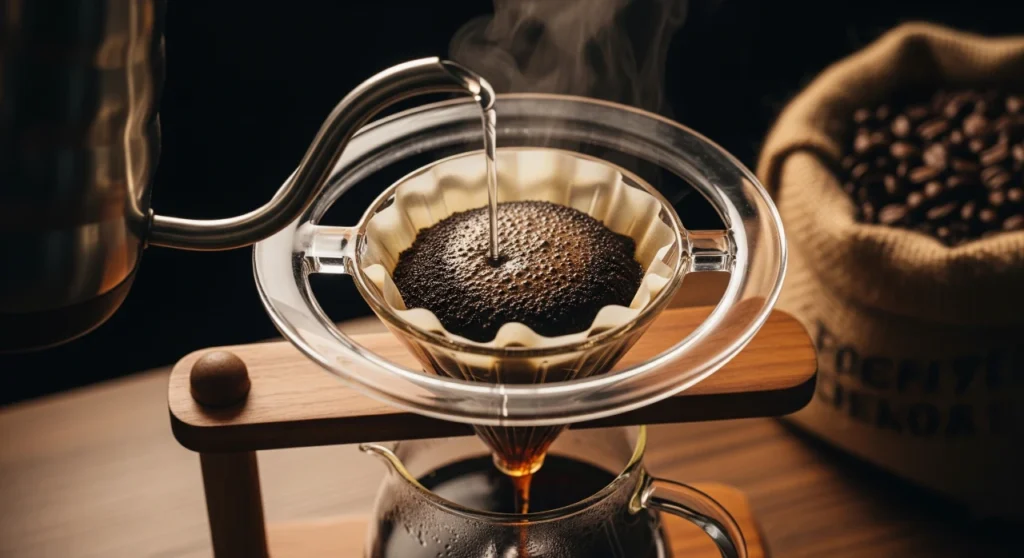
Drip coffee makers remain the most popular coffee brewing method in North American homes — and for good reason. These machines heat water in a reservoir and distribute it evenly over coffee grounds in a filter. Gravity does the rest, pulling the brewed coffee down into a carafe below.
Key Advantages of Drip Coffee Brewing
Drip coffee brewing excels in three areas that matter most to everyday drinkers:
• Simplicity: Minimal setup; just add water and grounds.
• Capacity: Produces multiple cups at once, ideal for households and offices.
• Affordability: Entry-level models from BUNN, Cuisinart, Hamilton Beach, and Mr. Coffee are widely accessible at all price points.
• Consistency: Automated brewing produces a reliable flavor profile cup after cup.
Limitations of Traditional Drip Coffee Machines
Despite their convenience, traditional drip coffee systems have real limitations. Most models offer little flexibility in adjusting brew strength, coffee-to-water ratio, or water temperature. For casual drinkers, these trade-offs are perfectly acceptable. But for coffee enthusiasts who want to explore the full range of flavors a quality bean can offer, standard drip machines often fall short.
“Water temperature is one of the most underrated variables in coffee brewing. The Specialty Coffee Association recommends brewing between 195°F and 205°F (90–96°C) for optimal extraction — a standard that many budget drip machines simply don’t meet.”
— Specialty Coffee Association (SCA) Brewing Standards
Exploring the Breville Coffee Brewing System
Breville has established a strong reputation among coffee professionals and enthusiasts for engineering machines that bring café-quality coffee brewing into the home. Their lineup ranges from entry-level filter brewers to fully integrated espresso systems, each built around precise temperature control and thoughtful user experience.
Notable Breville Models Worth Knowing
• Breville Barista Express: Integrates a conical burr grinder so beans are ground fresh directly before brewing, significantly enhancing aroma and flavor depth.
• Breville Precision Brewer: Supports multiple coffee brewing modes including pour-over, cold brew, and iced coffee, offering a versatility that no standard drip machine can match.
What Sets Breville Apart from Drip Coffee Makers
The defining advantage of Breville’s coffee brewing systems is granular control. Users can fine-tune:
• Water temperature calibration
• Bloom time (pre-infusion to degas fresh grounds)
• Grind size and coffee-to-water ratio
• Programmable brew time settings
Beyond performance, Breville machines are also designed for straightforward maintenance. Many models feature self-cleaning cycles and easily removable components, reducing the friction that often leads to poor cleaning habits — and therefore, stale-tasting coffee.
Drip Coffee vs. Breville: An Honest Side-by-Side Comparison
Rather than declaring one winner, the most useful comparison looks at specific use cases. Here’s how the two coffee brewing approaches stack up across the factors that matter most:
Factor: Drip → Drip Coffee Maker | Breville → Breville Brewer
Price Range: Drip → $20–$150 | Breville → $200–$700+
Ease of Use: Drip → Very easy; minimal learning curve | Breville → Moderate; rewards experimentation
Flavor Customization: Drip → Limited | Breville → Extensive (temp, grind, bloom, ratio)
Brew Capacity: Drip → 4–12+ cups | Breville → Varies by model
Maintenance: Drip → Basic cleaning required | Breville → Self-clean features on many models
Best For: Drip → Casual drinkers, families, offices | Breville → Coffee enthusiasts, daily aficionados
Is Upgrading Your Coffee Brewing Setup Worth the Investment?
The honest answer depends on three factors: budget, habit frequency, and how much flavor complexity matters to you.
If you drink one or two cups daily, value a no-fuss routine, and primarily use pre-ground coffee, a quality drip coffee maker will serve you exceptionally well. Brands like Cuisinart and BUNN offer reliable performance at a fraction of the cost of premium brewers.
However, if you drink coffee multiple times a day, buy whole beans, and genuinely enjoy exploring different roast profiles and brewing variables, the Breville investment is likely to pay off in both experience and quality. The precision these machines offer isn’t marketing fluff — it produces a measurably better cup when used thoughtfully.
ℹ️ Transparency Note: This comparison is based on published product specifications, widely available consumer reviews, and general coffee industry standards. Some product links in the original source document are affiliate links. Our analysis aims to remain objective and prioritize your needs over any commercial consideration.
Final Verdict on Coffee Brewing Methods
There is no universally superior coffee brewing method — only the right one for your lifestyle. Drip coffee makers win on accessibility, simplicity, and price. Breville brewers win on flavor precision, versatility, and long-term satisfaction for dedicated coffee drinkers.
Before upgrading, ask yourself: Do I actually enjoy the ritual of dialing in a brew? If the answer is yes, a Breville system will reward that curiosity every single morning.